A New Era of Extreme Weather
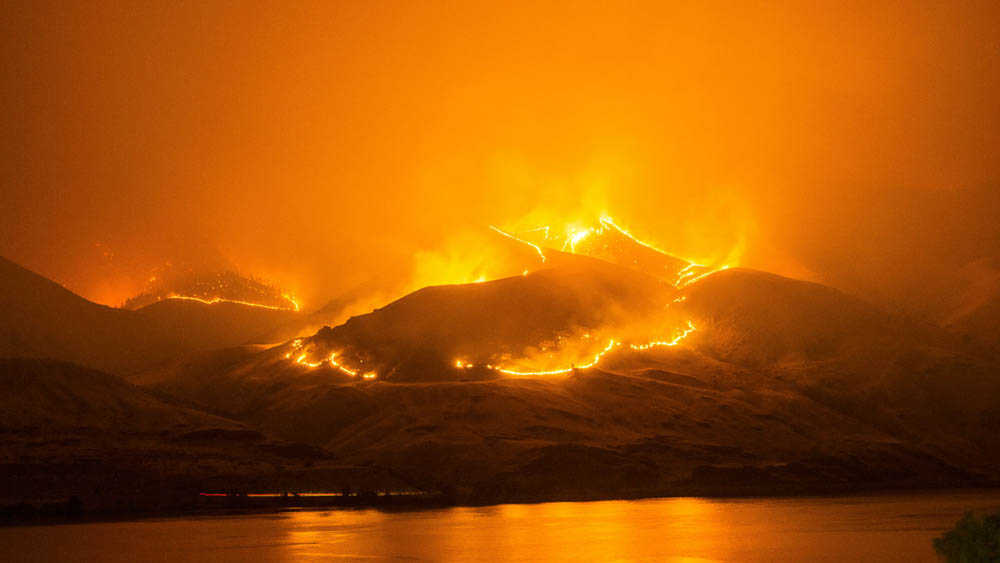
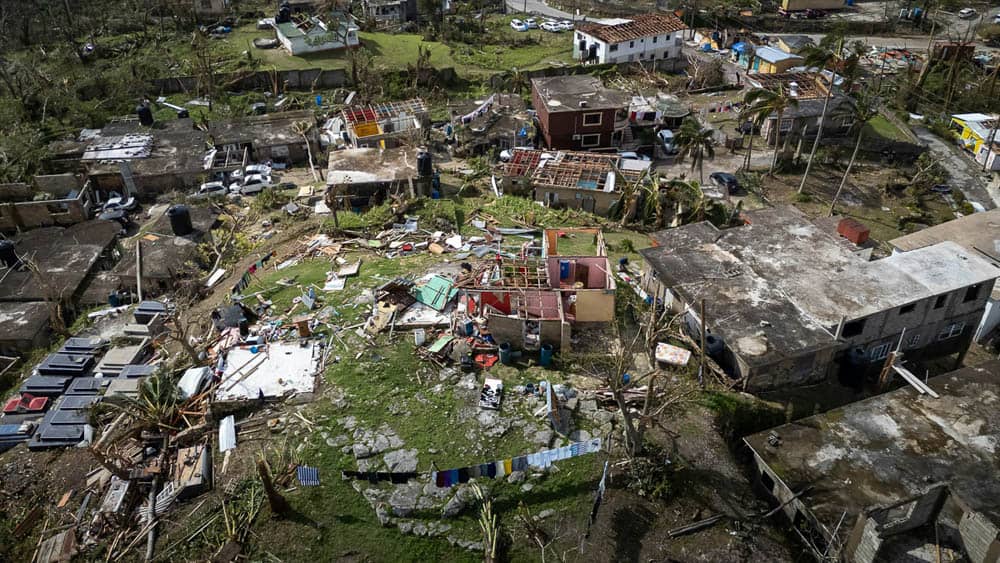
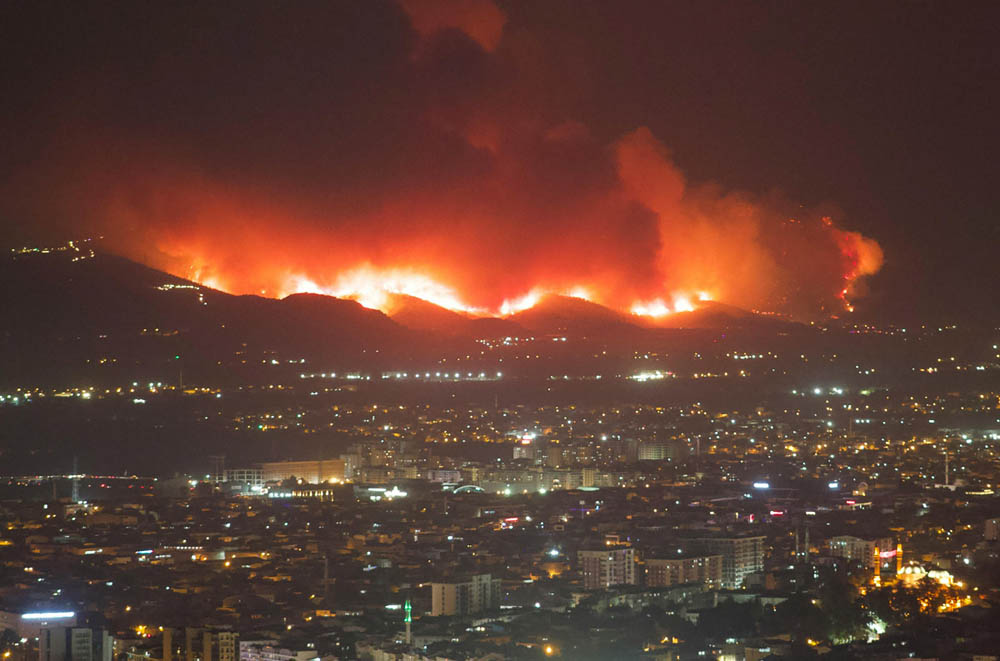
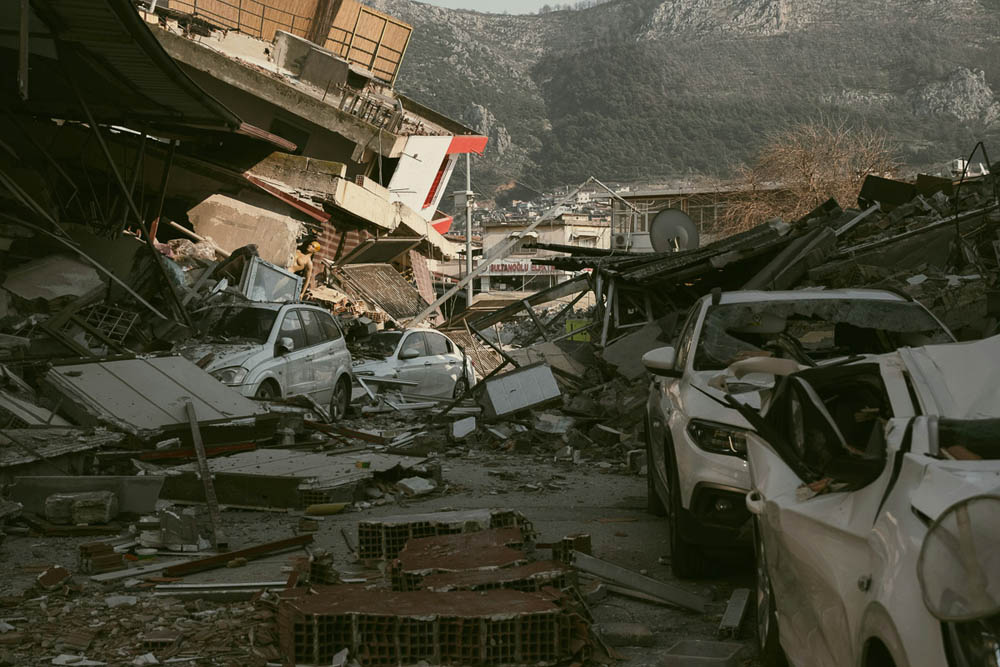
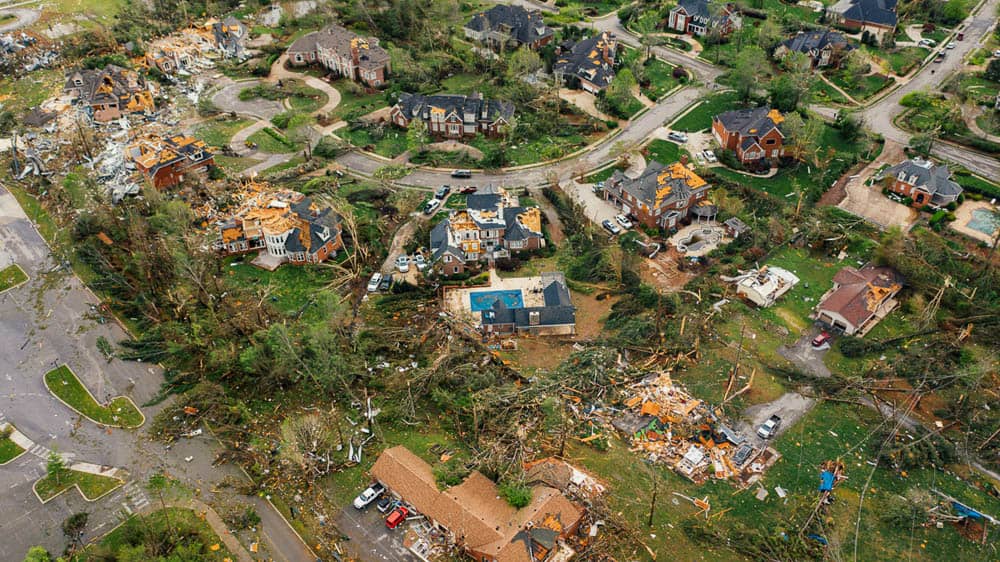
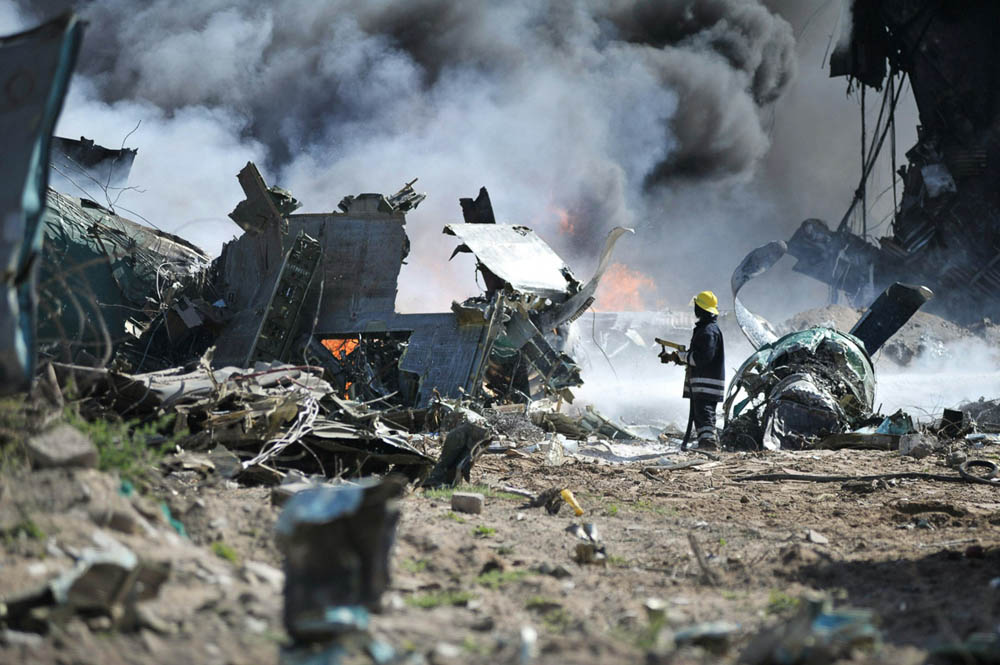
Across the globe, natural disasters are occurring more frequently and striking with greater intensity than ever before. Scientists widely agree that hurricanes, wildfires, floods, earthquakes, and extreme heat waves are increasingly influenced by climate change, rising sea levels, warming ocean temperatures, and unstable weather patterns, placing millions of people at risk each year.
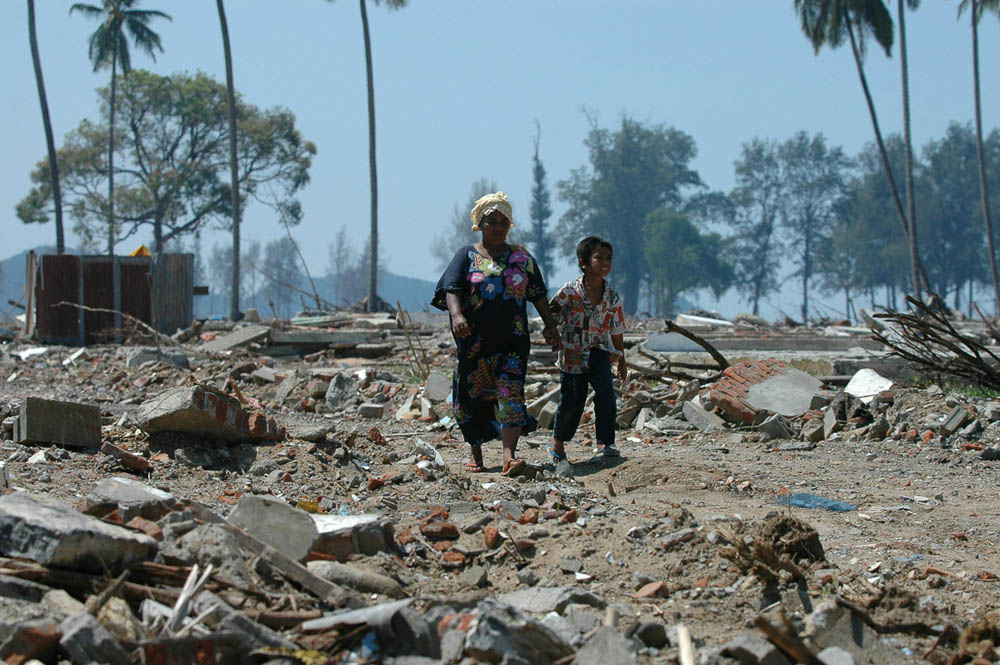
As these disasters grow in scale, more communities are being displaced and left in urgent need of aid. Without resilient preparedness solutions in place, recovery efforts are taking longer and placing increased strain on already vulnerable infrastructure systems worldwide.
Power Outages Leave Communities in the Dark
When disaster strikes, electrical grids are often among the first systems to fail. Extended power outages disrupt communication, healthcare, refrigeration, and emergency response, leaving families isolated and vulnerable for days or even weeks.
Without access to reliable power, even basic survival needs become difficult to meet, especially for elderly populations, children, and first responders working under extreme conditions.
The Global Clean Water Crisis Worsens After Disasters
Clean drinking water is one of the most critical resources lost during natural disasters. Flooding, storm surges, and damaged infrastructure often compromise water systems, allowing bacteria, chemicals, and debris to enter the supply, making it unsafe for consumption.
According to global health organizations, contaminated water contributes to millions of preventable illnesses and deaths each year, with disasters dramatically increasing the risk of waterborne disease outbreaks.
Preparedness isn’t Optional, Rapid Response Save Lives
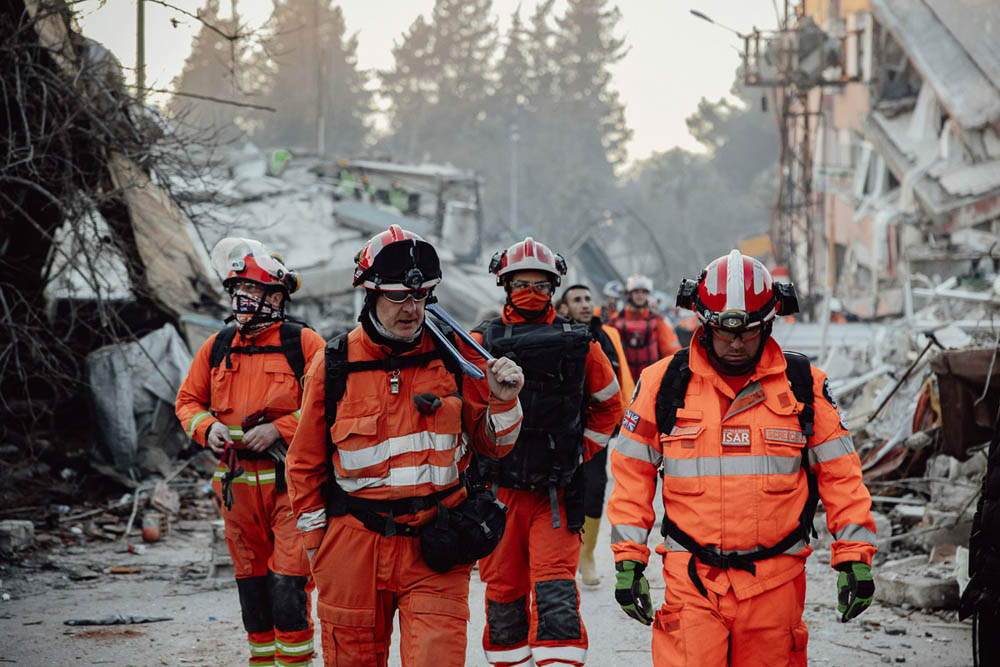
The hours immediately following a disaster are the most critical. When access to clean water and power is delayed, a crisis can quickly escalate into a humanitarian emergency, especially in remote or hard-to-reach areas. Every hour without water or electricity increases risk and costs lives.
“We don’t need help in four or five weeks, we need help the next day!”
— Hurricane Melissa disaster victim
Modern disaster relief demands rapid-response solutions that are portable, reliable, and independent of fuel or traditional infrastructure. These systems are essential for accelerating response timelines and ensuring aid reaches people faster, safer, and more effectively when it matters most.
How Hydronamis Was Designed to Help
Hydronamis was created to close the widening gap between disaster impact and relief response. In today’s reality, disaster zones often span hundreds of square miles, leaving decentralized populations isolated without access to power or safe drinking water.
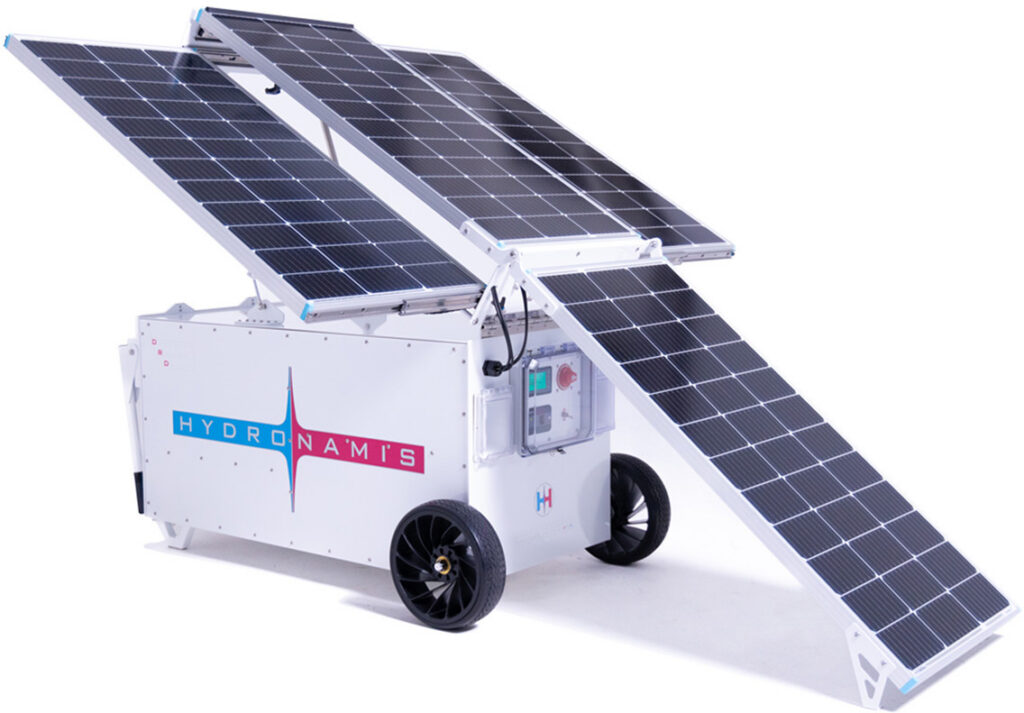
The Hydronamis Disaster Relief Device (DRD) is a rapid-response, all-in-one solution engineered for wide-scale dispersion across expansive disaster zones. Compact, air-transportable, and fully operational within minutes, the DRD brings clean drinking water and renewable solar power directly to the front lines of real-world crises.
As natural disasters continue to intensify worldwide, Hydronamis remains committed to advancing preparedness through innovation and next-generation rapid-response technology, empowering families, first responders, and relief teams to operate independently and restore stability to displaced communities faster and more effectively.
AUTHOR
Gabrielle Noelani